Marseille Demain
Marseille (13)
A walk for all: maritime urbanism for Marseille
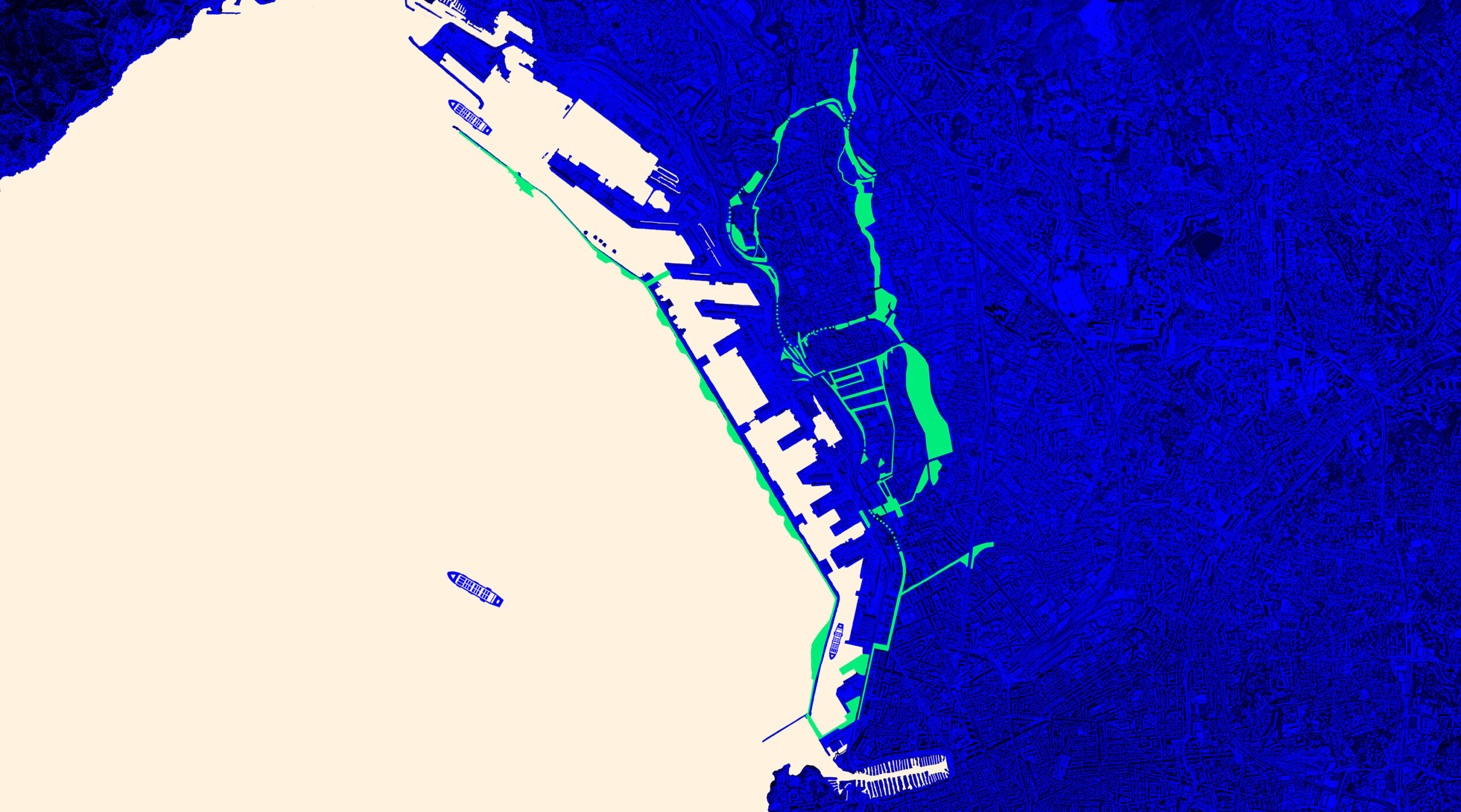
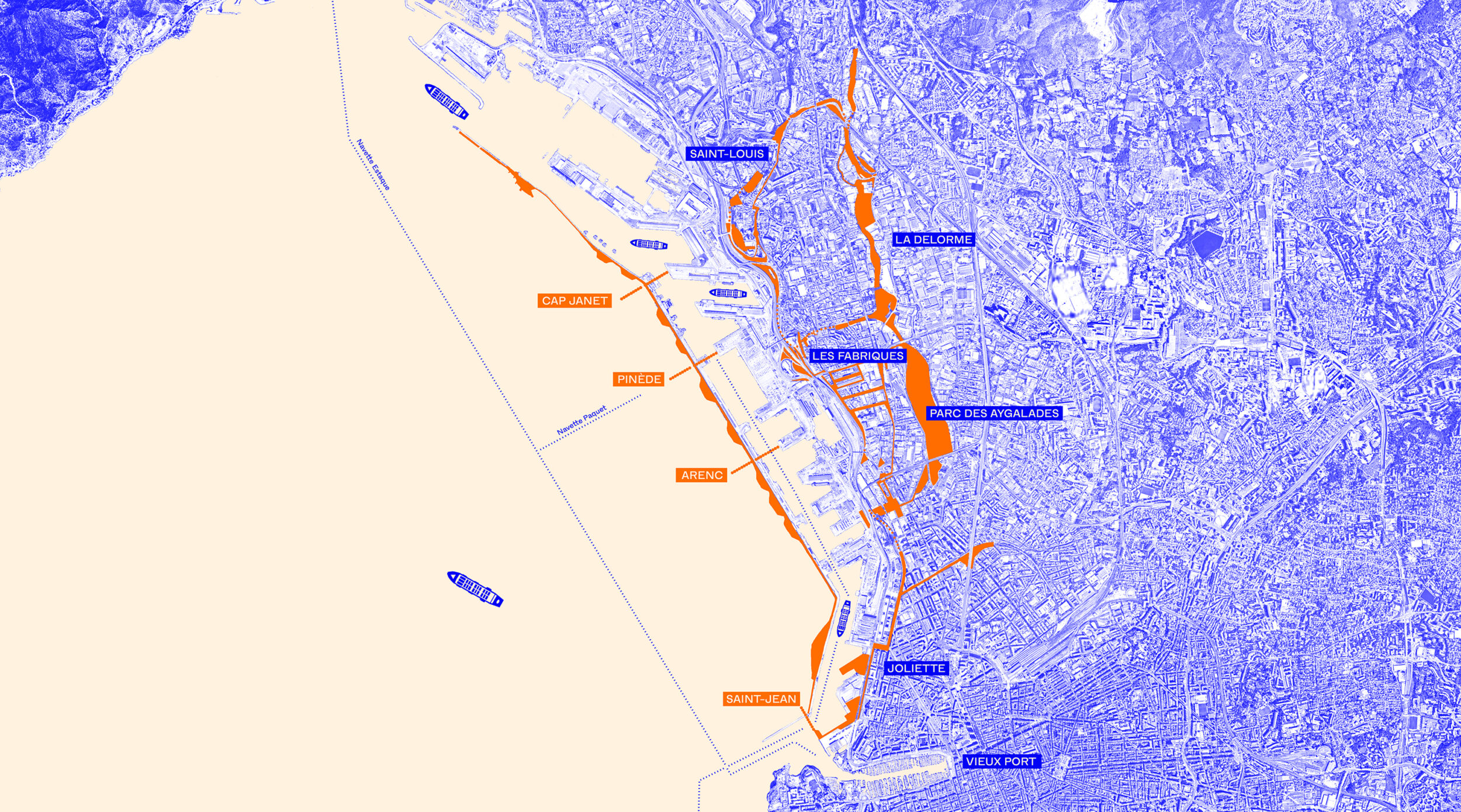
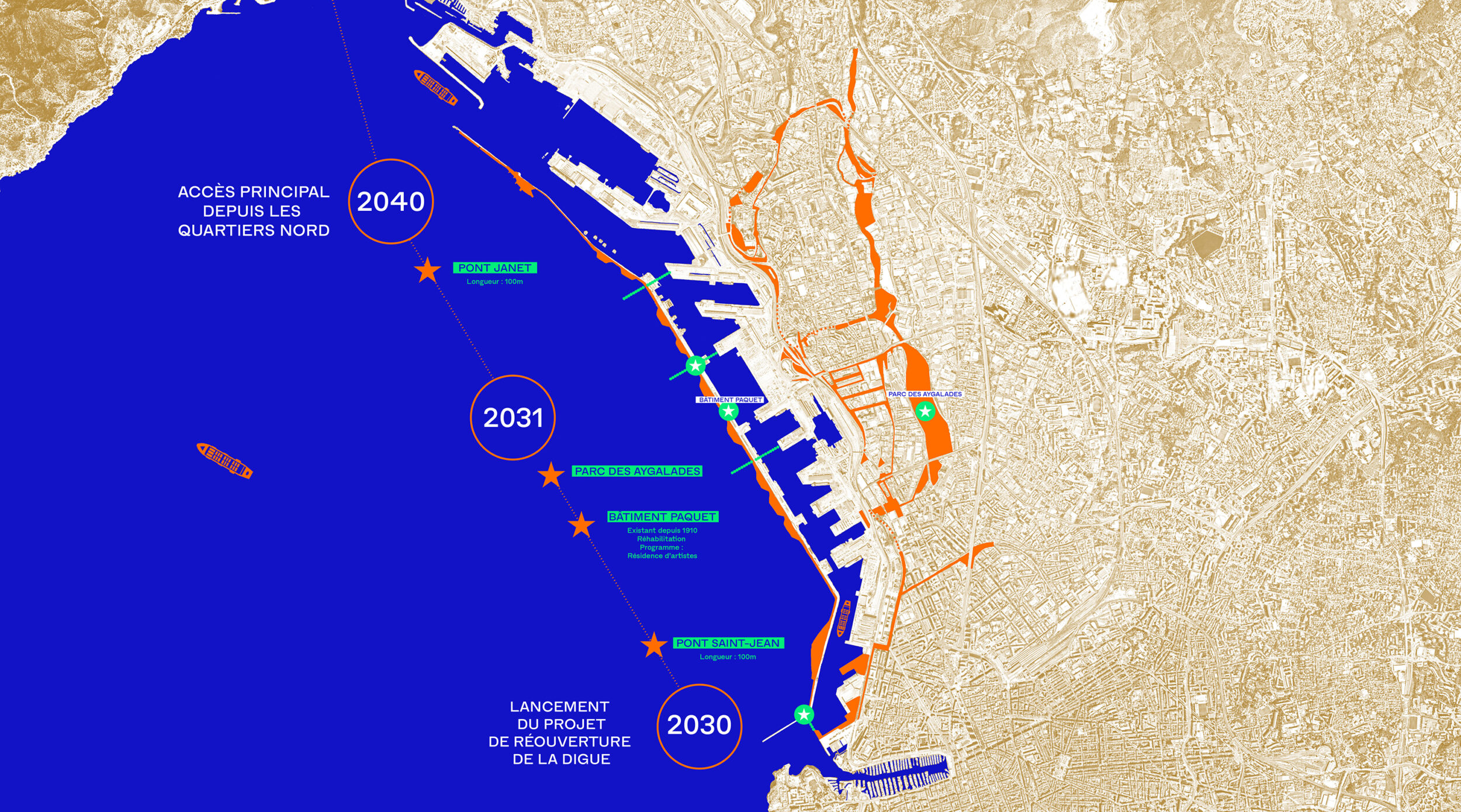
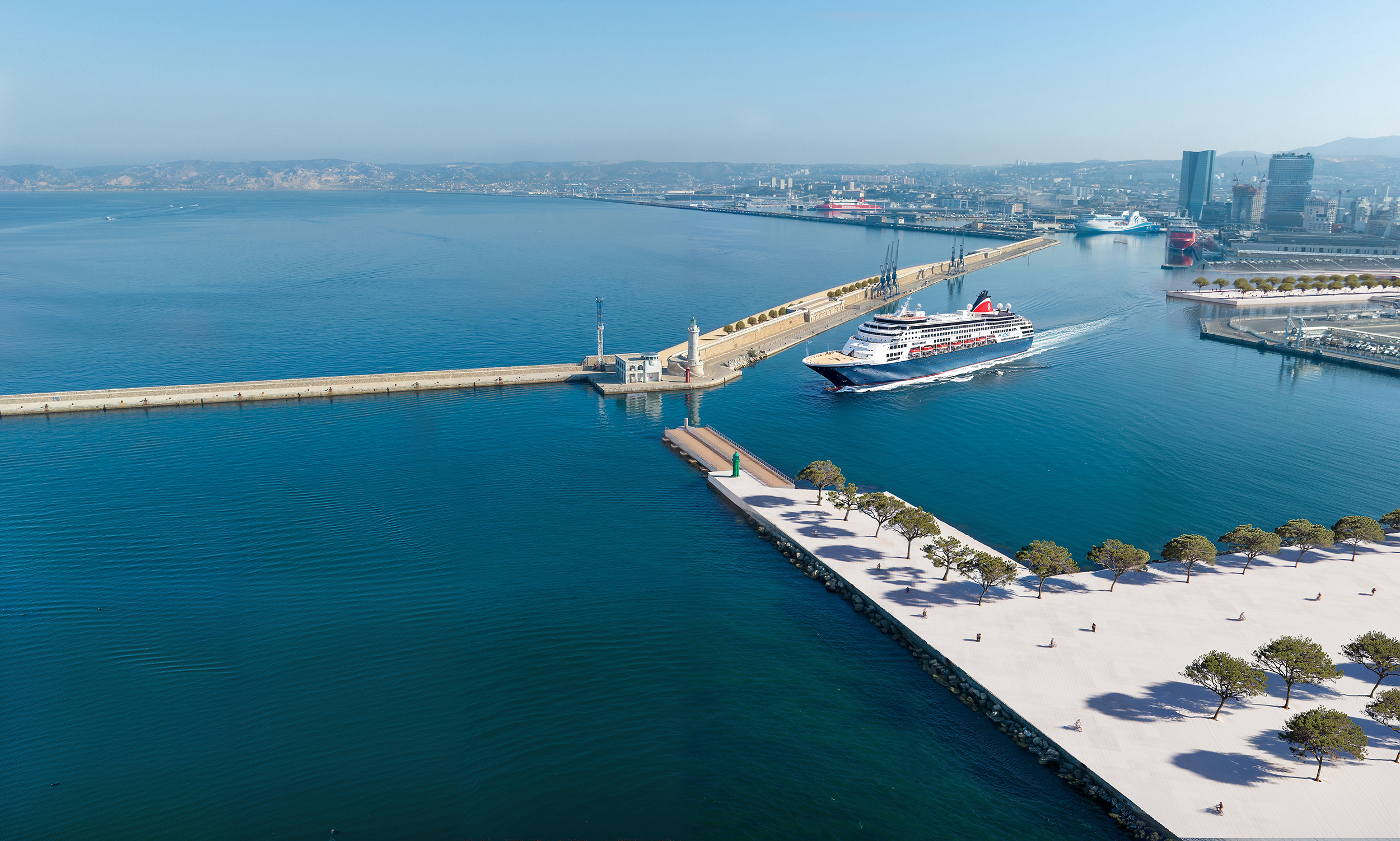
In Marseille, a new urban route reconnects the Digue du Large to the city’s major northern projects — Euromed, the Aygalades park, the Puces — and supports the city’s natural impulse to open up towards the sea. Stretching 7 km between the Vieux-Port and L’Estaque, this 19th-century structure, closed to the public since 2001, embodies a powerful link between the city and the open water. Reopening it would give residents, particularly those in the northern districts, privileged access to the water and to maritime views they had been deprived of for more than twenty years.
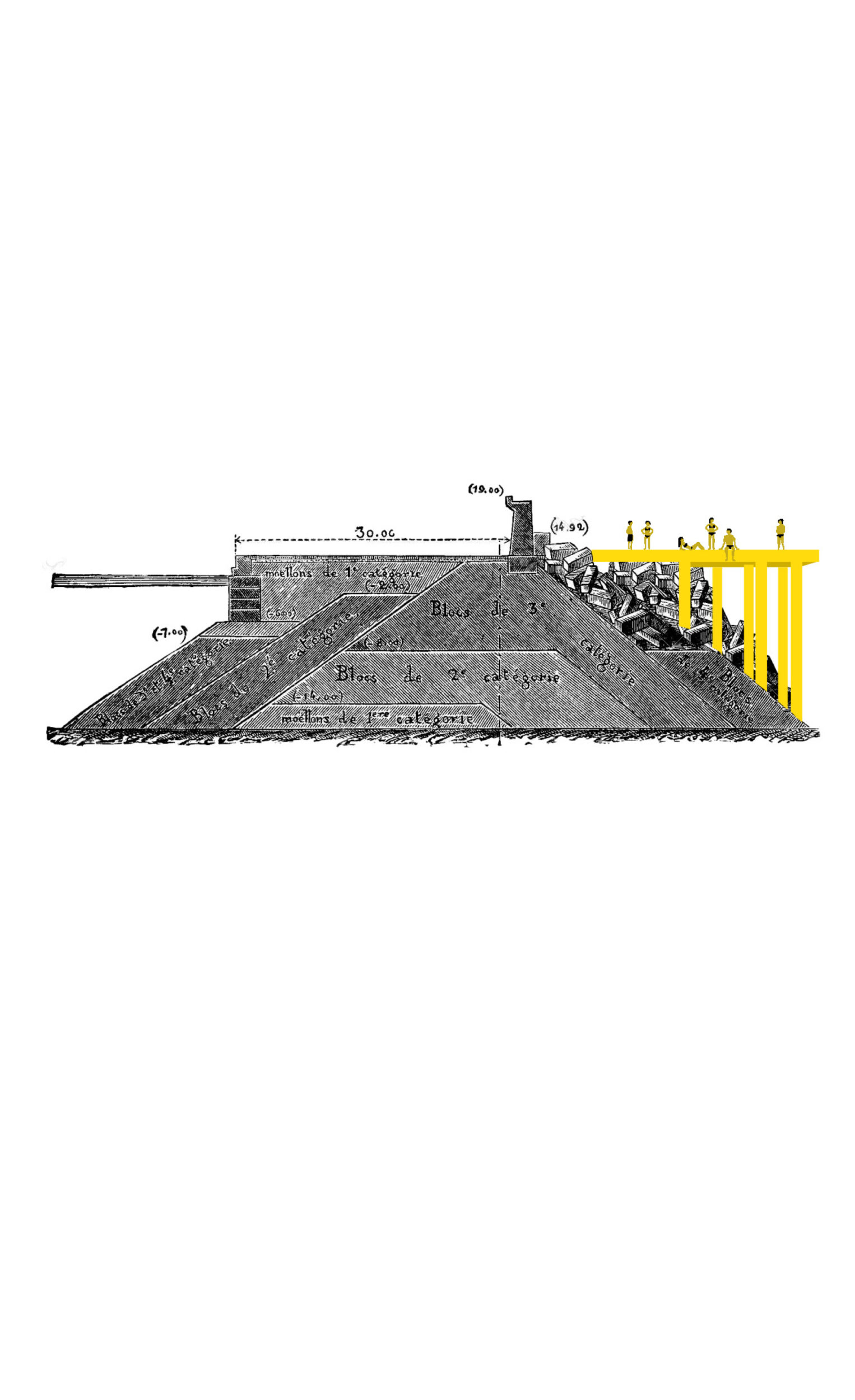
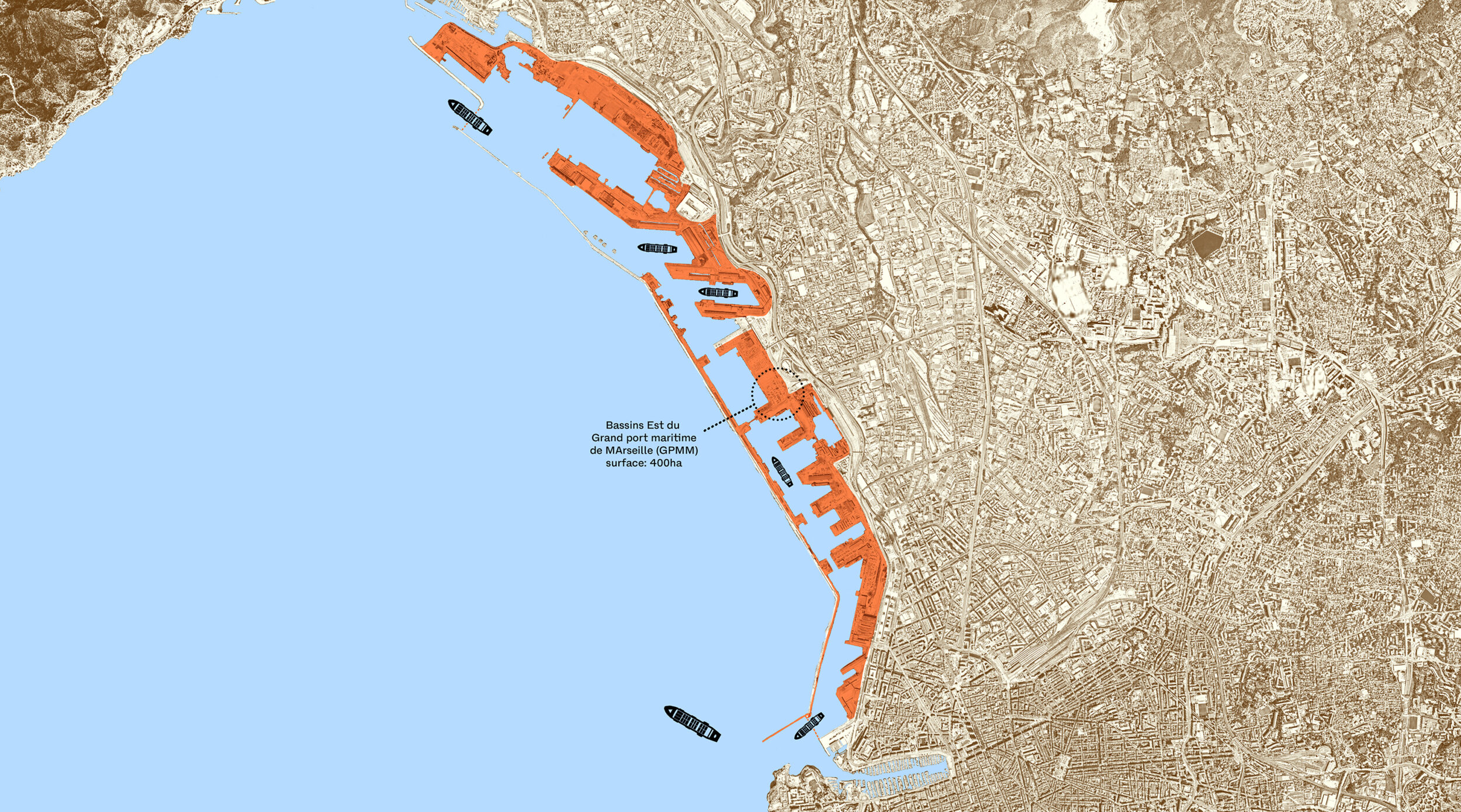
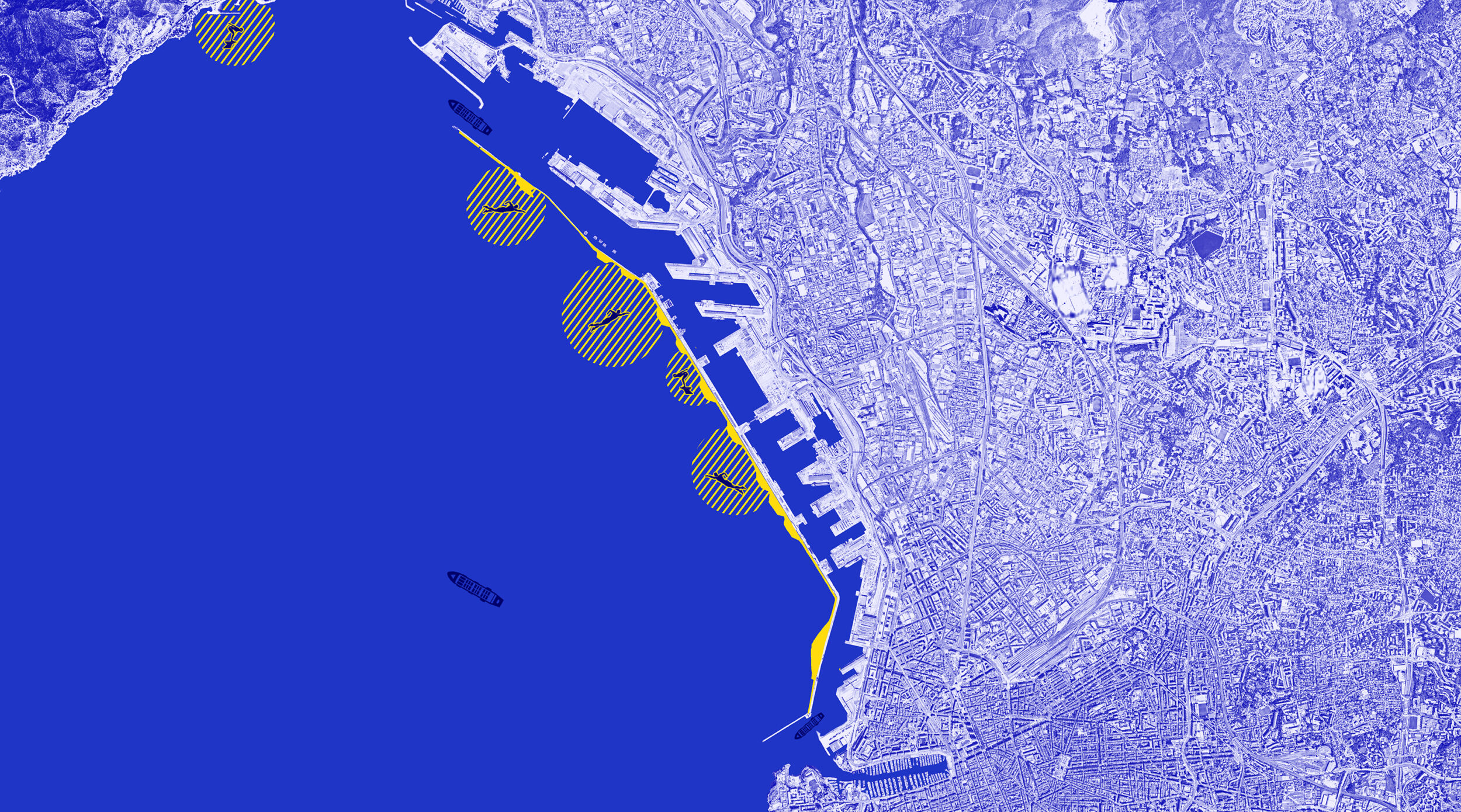
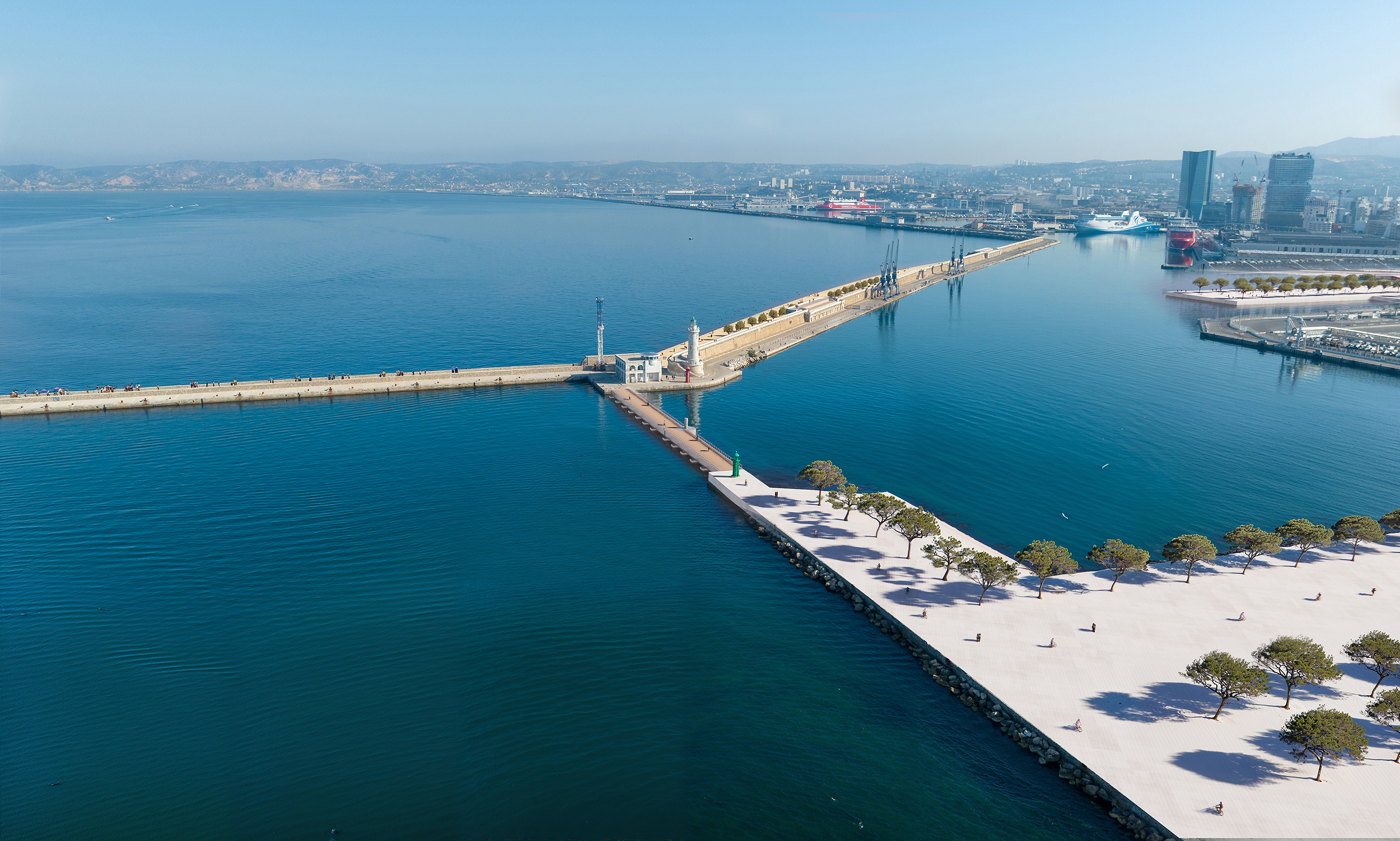
Designed with full respect for the port’s operational requirements, the project guarantees that the GPMM’s activities — freight, containers, cruise — will be entirely maintained. Selectively widened with fill from the Euromed construction sites, the breakwater would reserve an internal lane for port operations while opening up the space needed for walks and for sporting and marine activities. New crossings — the renovation of the Pinède bridge, the recommissioning of the Arenc swing bridge, and two landmark footbridges facing Fort Saint-Jean and Cap Janet — would strengthen the connections between city and sea. As for the Bâtiment Paquet, its reopening would showcase a piece of historic heritage in the service of new cultural, tourist and convivial uses.
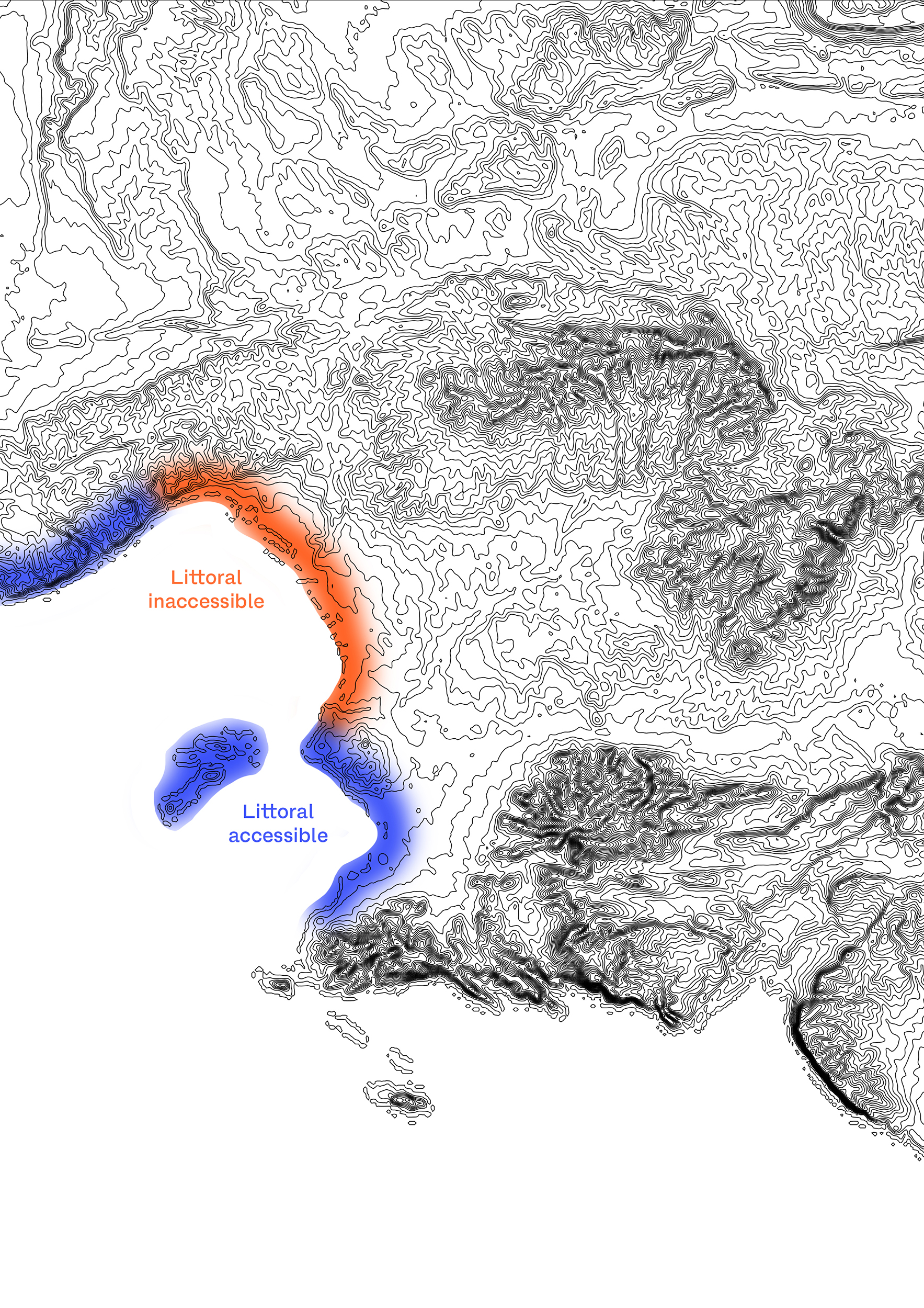
This contemporary corniche, on the scale of Marseille, would write a new chapter in the city’s reclaiming of its coastline. By rebalancing access to the sea between north and south and easing the overcrowding of the calanques, it would also offer a testing ground for the capacity of Mediterranean cities to adapt to ongoing climate change.
A walk for all: maritime urbanism for Marseille
In Marseille, a new urban route reconnects the Digue du Large to the city’s major northern projects — Euromed, the Aygalades park, the Puces — and supports the city’s natural impulse to open up towards the sea. Stretching 7 km between the Vieux-Port and L’Estaque, this 19th-century structure, closed to the public since 2001, embodies a powerful link between the city and the open water. Reopening it would give residents, particularly those in the northern districts, privileged access to the water and to maritime views they had been deprived of for more than twenty years.
Designed with full respect for the port’s operational requirements, the project guarantees that the GPMM’s activities — freight, containers, cruise — will be entirely maintained. Selectively widened with fill from the Euromed construction sites, the breakwater would reserve an internal lane for port operations while opening up the space needed for walks and for sporting and marine activities. New crossings — the renovation of the Pinède bridge, the recommissioning of the Arenc swing bridge, and two landmark footbridges facing Fort Saint-Jean and Cap Janet — would strengthen the connections between city and sea. As for the Bâtiment Paquet, its reopening would showcase a piece of historic heritage in the service of new cultural, tourist and convivial uses.
This contemporary corniche, on the scale of Marseille, would write a new chapter in the city’s reclaiming of its coastline. By rebalancing access to the sea between north and south and easing the overcrowding of the calanques, it would also offer a testing ground for the capacity of Mediterranean cities to adapt to ongoing climate change.