STONE: REVEALING THE RESOURCE, EXPLORING THE MATERIAL
Exhibition created by the Pavillon de l’Arsenal _ presented from October 23 to December 2, 2018
The forecasted depletion of raw materials—chief among them sand, an essential component of concrete—invites us to rethink the dominant construction methods of contemporary housing in the Île-de-France region. In light of studies undertaken to find more resource-efficient innovative materials and cleaner imported technologies, the “Stone” exhibition-research project questions Paris’s own raw material: its chalky soil and limestone history.
Faced with climate challenges, the carbon footprint of construction binds us, and environmental criteria must supersede all other choices for the real estate industry. Through this lens today, only stone construction offers a local, natural, grounded, and proven response. The energy savings associated with its implementation go hand in hand with the proximity of the deposits. Indeed, it takes only a few cuts to transform rock into material, and just a few hours to go from source to construction site. This indigenous material also promotes local skills and expertise. The study of the dozen or so quarries in the Parisian geological basin that are still producing construction-grade limestone demonstrates the availability of both the resource and the industrial apparatus, both of which can be remobilized tomorrow.
As part of this exhibition, the VLAU agency and Atelier WOA presented the METROPOLITAN project, a passive stone building with a timber frame.
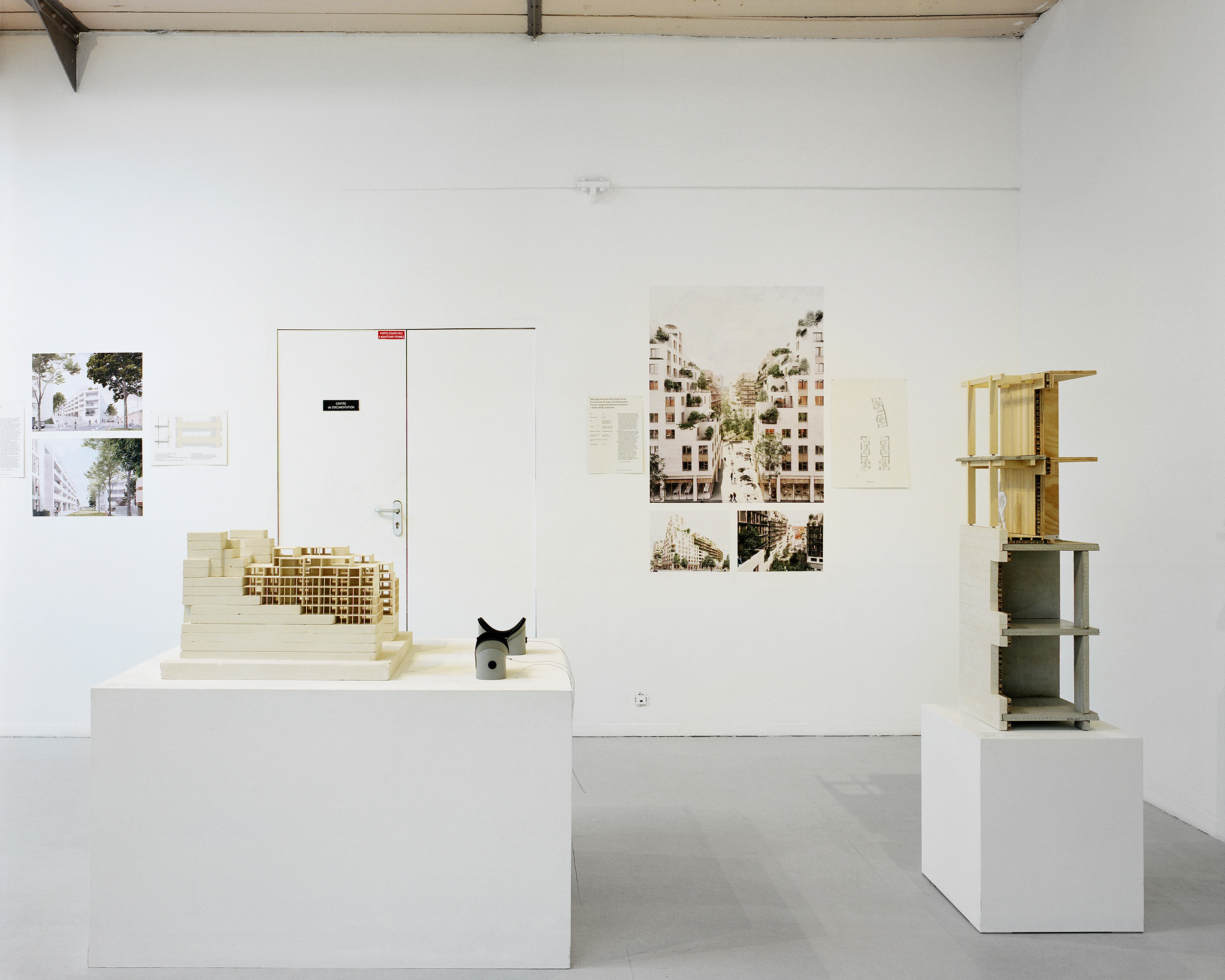
The constructive dialogue between massive stone and timber framing is at the heart of the Rosny-sous-Bois project. A vast development consisting of three buildings that house nearly 270 housing units and commercial spaces, this project is based on the articulation of three construction systems: structural massive stone, a reinforced concrete wall-and-slab structure, and timber framing. The core floors and shear walls are made of concrete, supported by massive stone walls on the lower floors and along the street facade. A solid wood structure is then set upon this mineral base, stepping back in planted terraces. The creative use of such mixed construction techniques seems to us to be the future of building, and marks a new generation of developments geared toward the metropolis.
By nature and for centuries, stone has been the builder’s material. While the rise of industrialized materials has relegated natural materials to the background for a few decades, the search for a better balance between construction techniques and available resources is bringing stone and wood back to the forefront today. Their use is part of a logic that is now essential: conserving water as a primary resource.
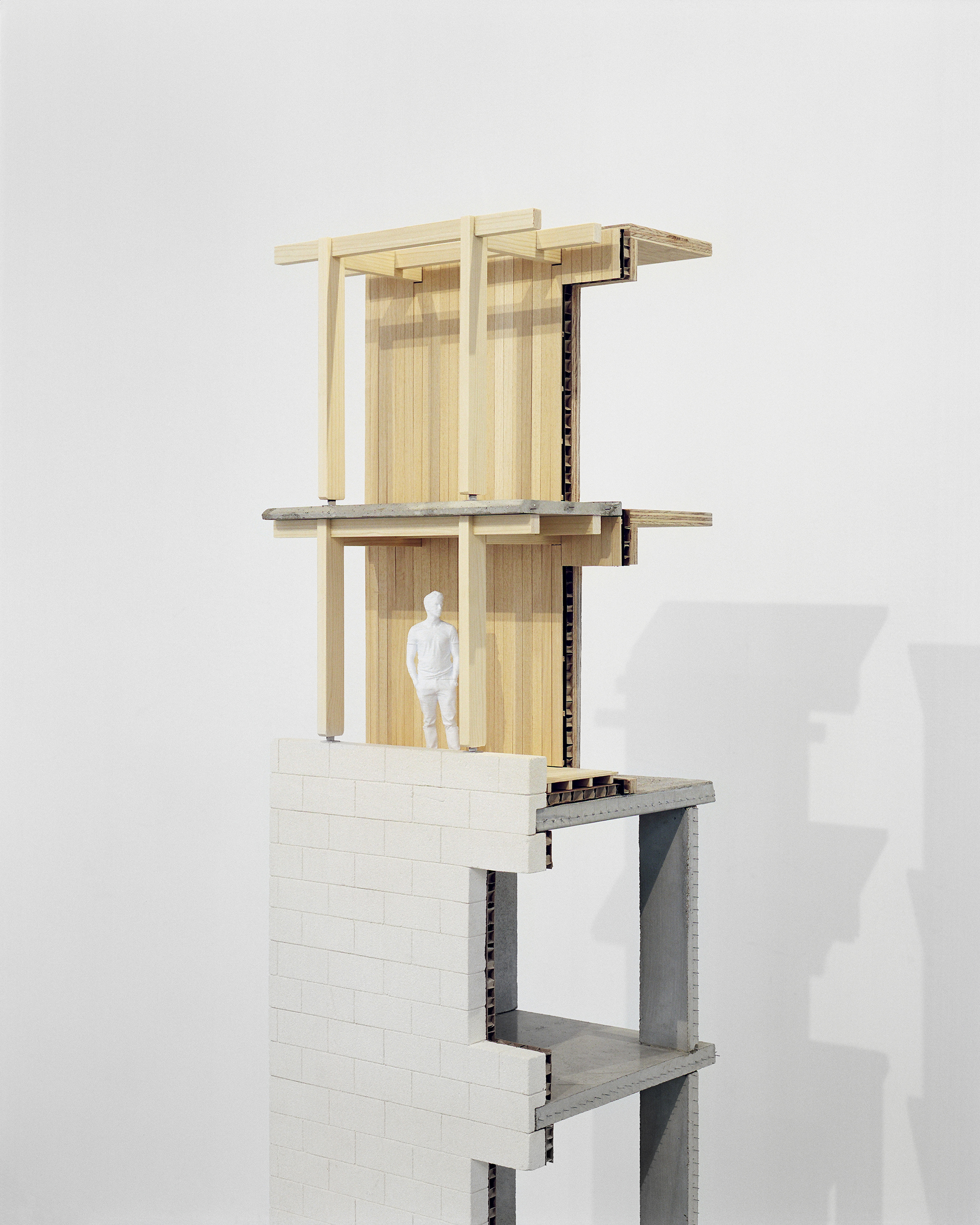
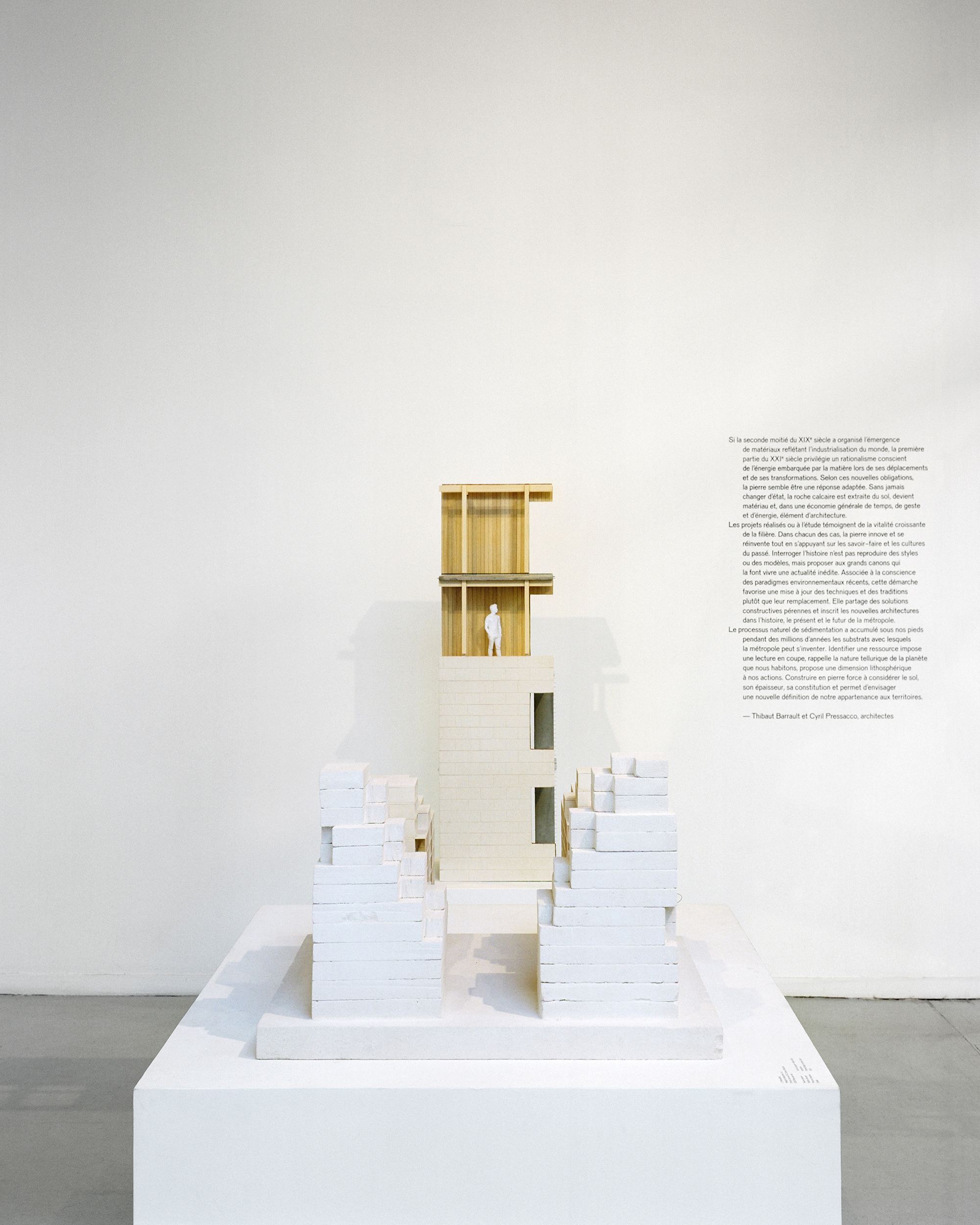
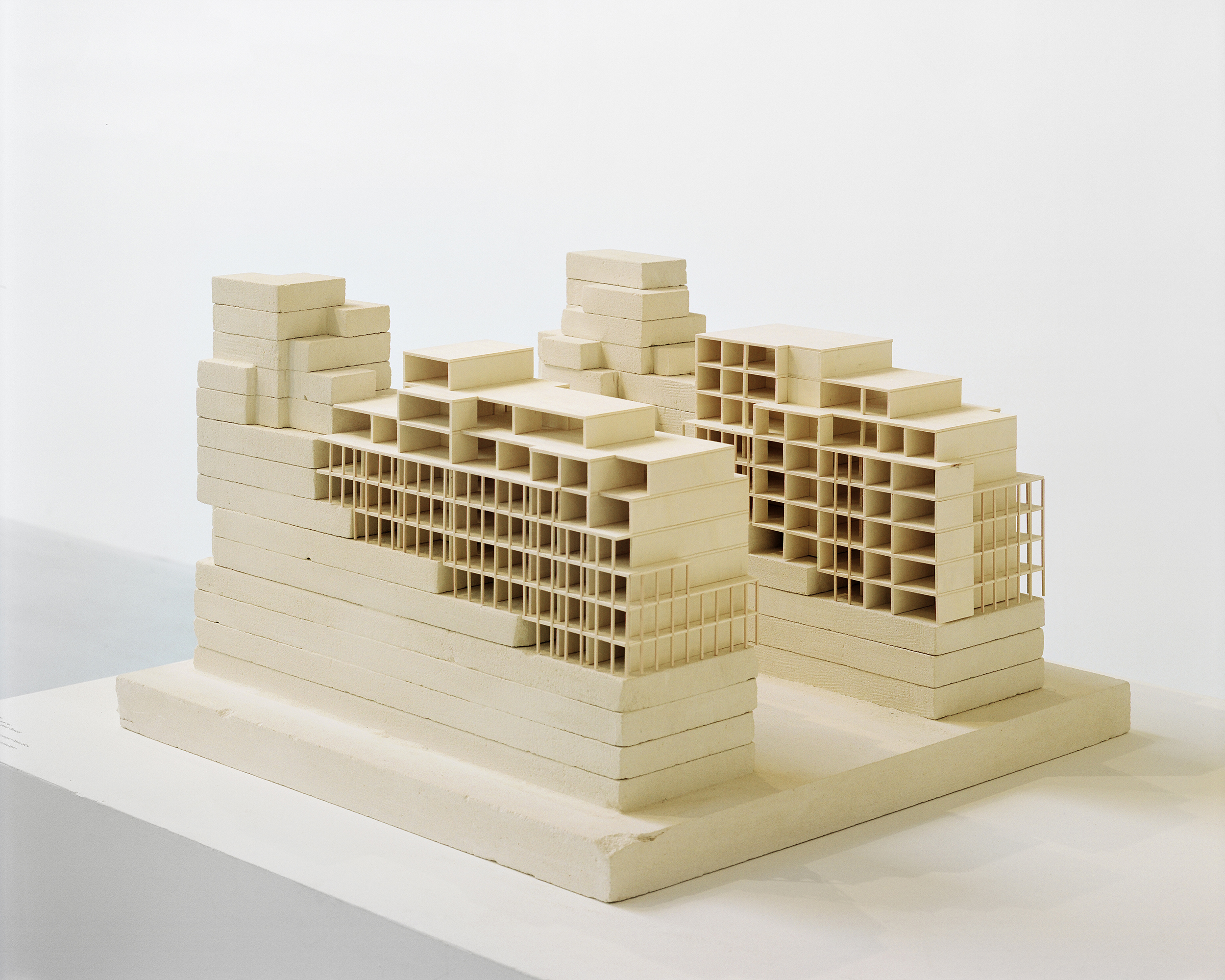
In their manufacturing, prefabrication, and assembly methodologies, wood and stone display similarities that make their combination highly relevant. Indeed, stacking elements with limited binding remains to this day the best solution for building a durable structure. Each element thus relieves, through minute movements, the accumulation of excess stress. This type of mixed construction method leads to a “breathing” structure, which contrasts with the hyperstatic nature of reinforced concrete structures. Beyond structural innovation, one of the key stakes in bringing these materials back into construction is the architect’s reappropriation of the technical dimension of architecture, from conception to completion.
Photos @Julien Hourcade
Pavillon de l’Arsenal, 2018.