Watt Tower
Paris 13
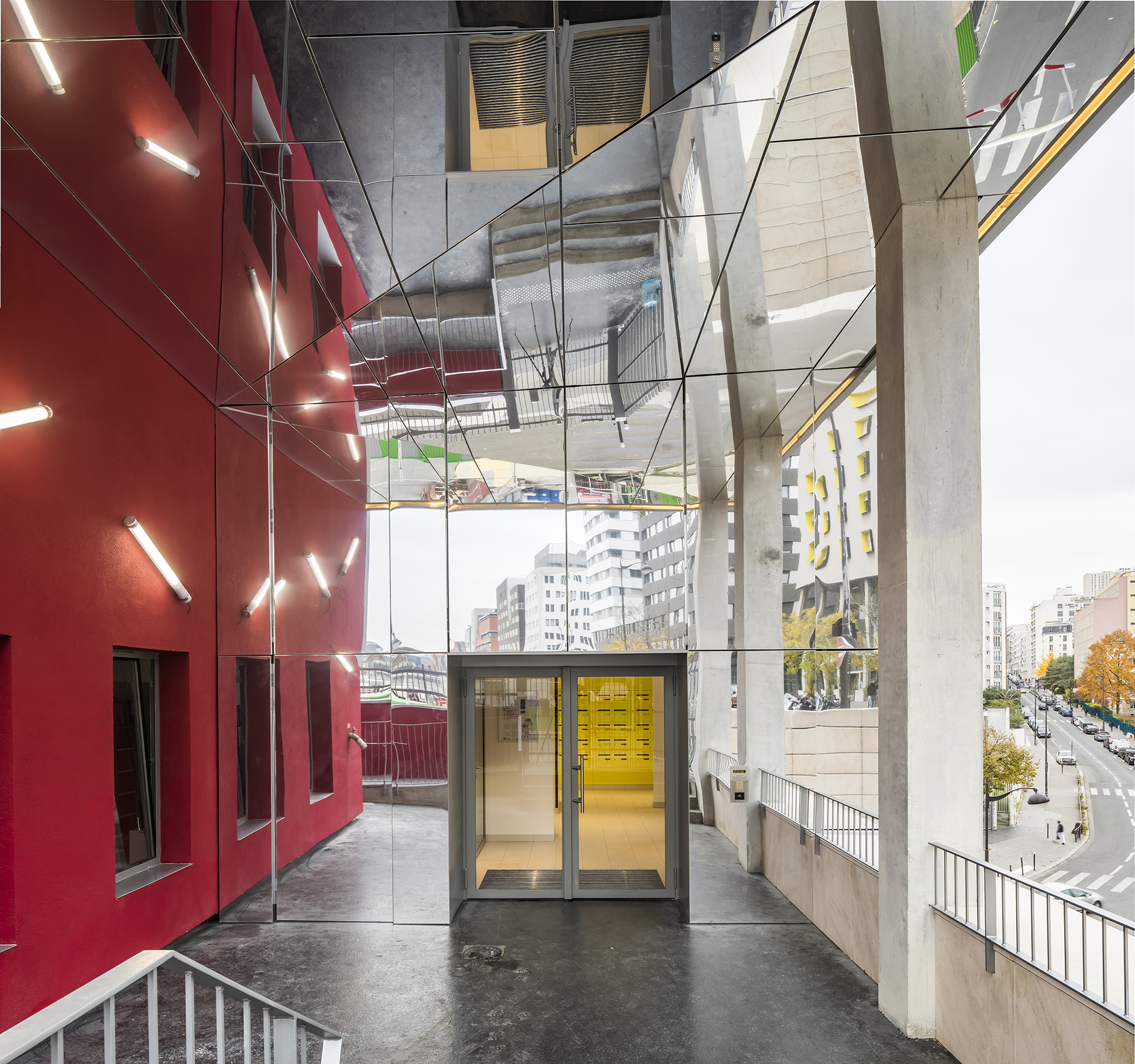
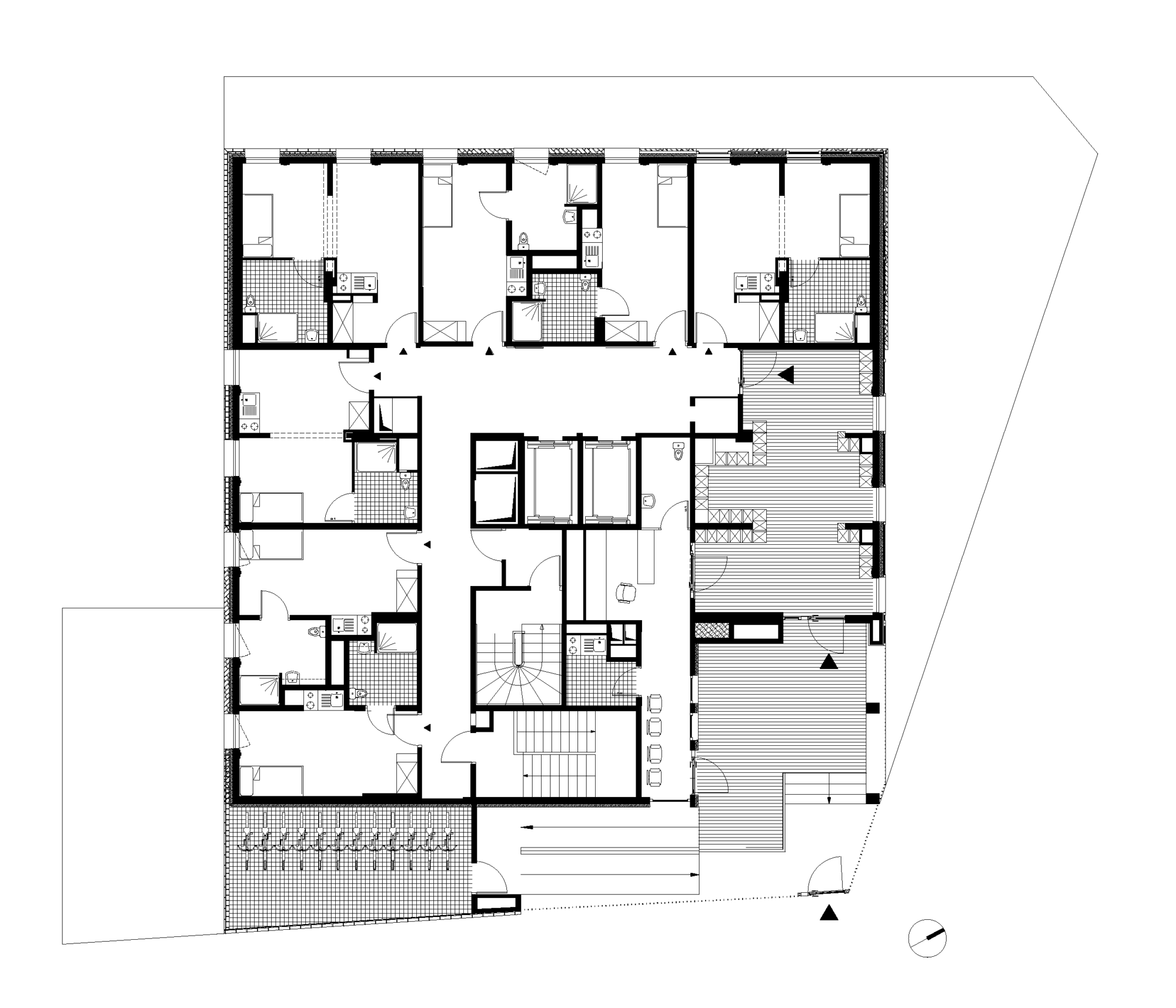
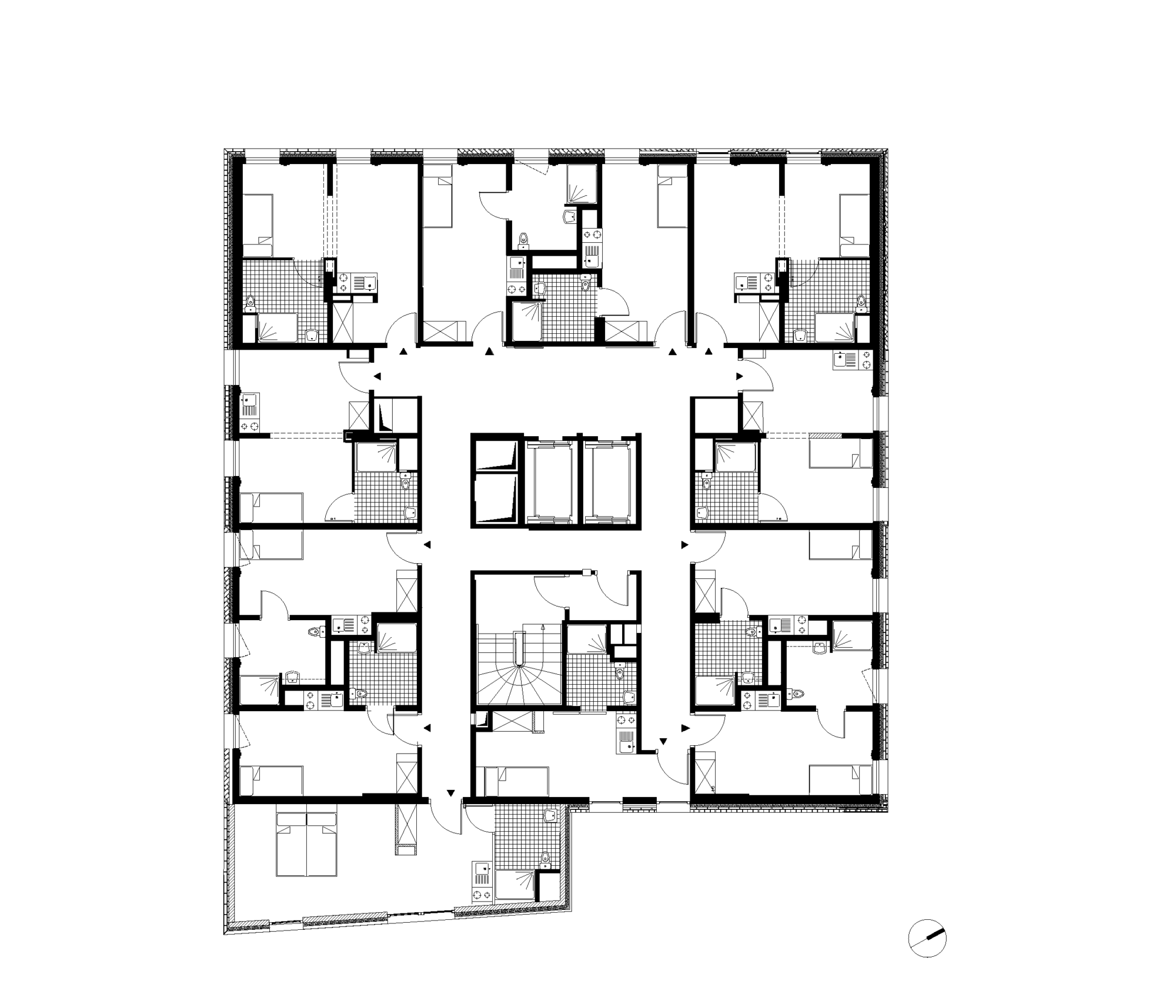
Leaning against the plinth covering the railway tracks, the Watt Tower stands as a pivotal hub and an urban connector between two eras, and between two city levels: the old and the new. It is rare for a tower—often an isolated object—to concentrate so many development challenges for the neighborhood in which it is embedded. Here, the project goes beyond the simple architectural transformation of the building to constitute a powerful signal of the neighborhood’s urban mutation.
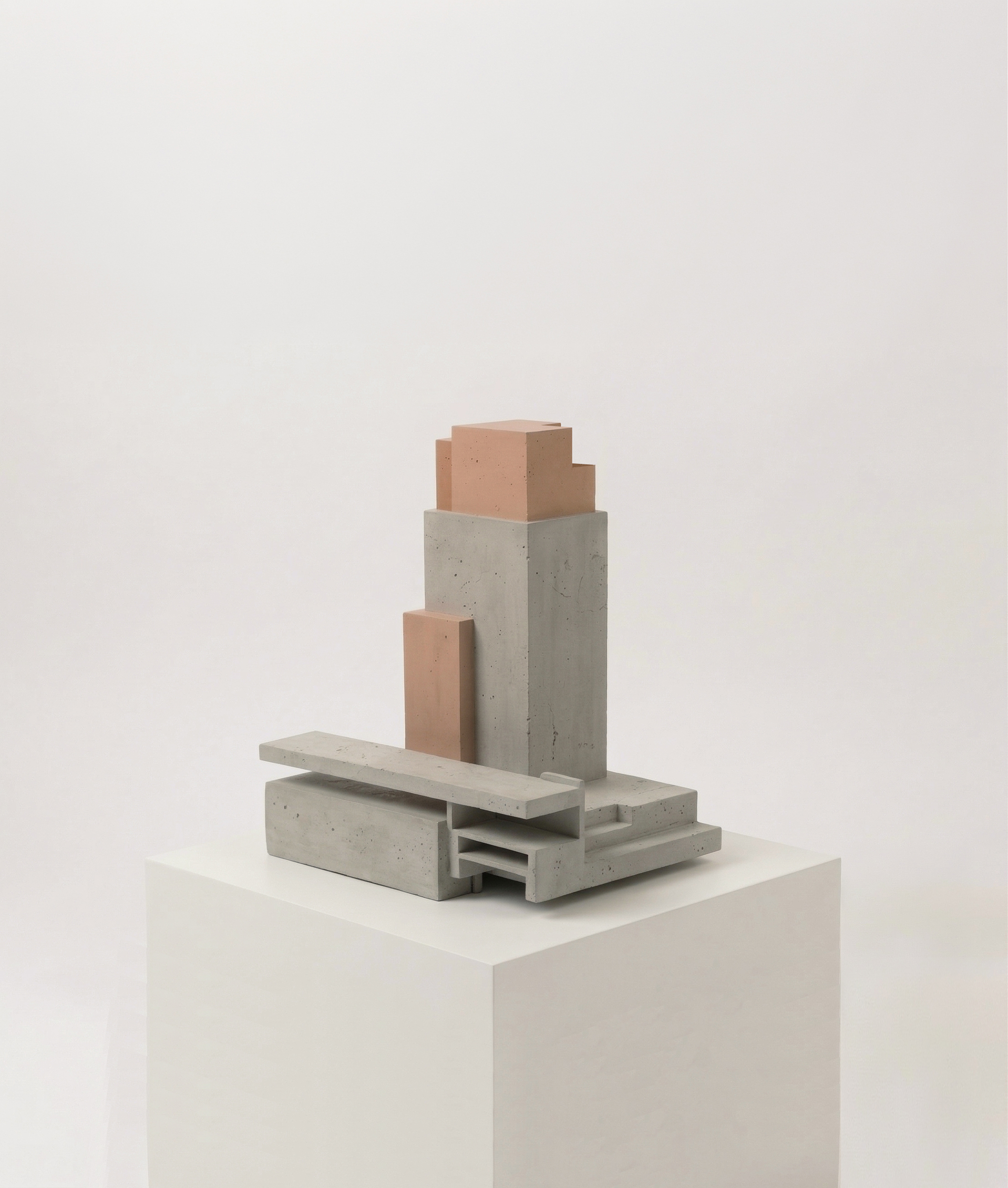
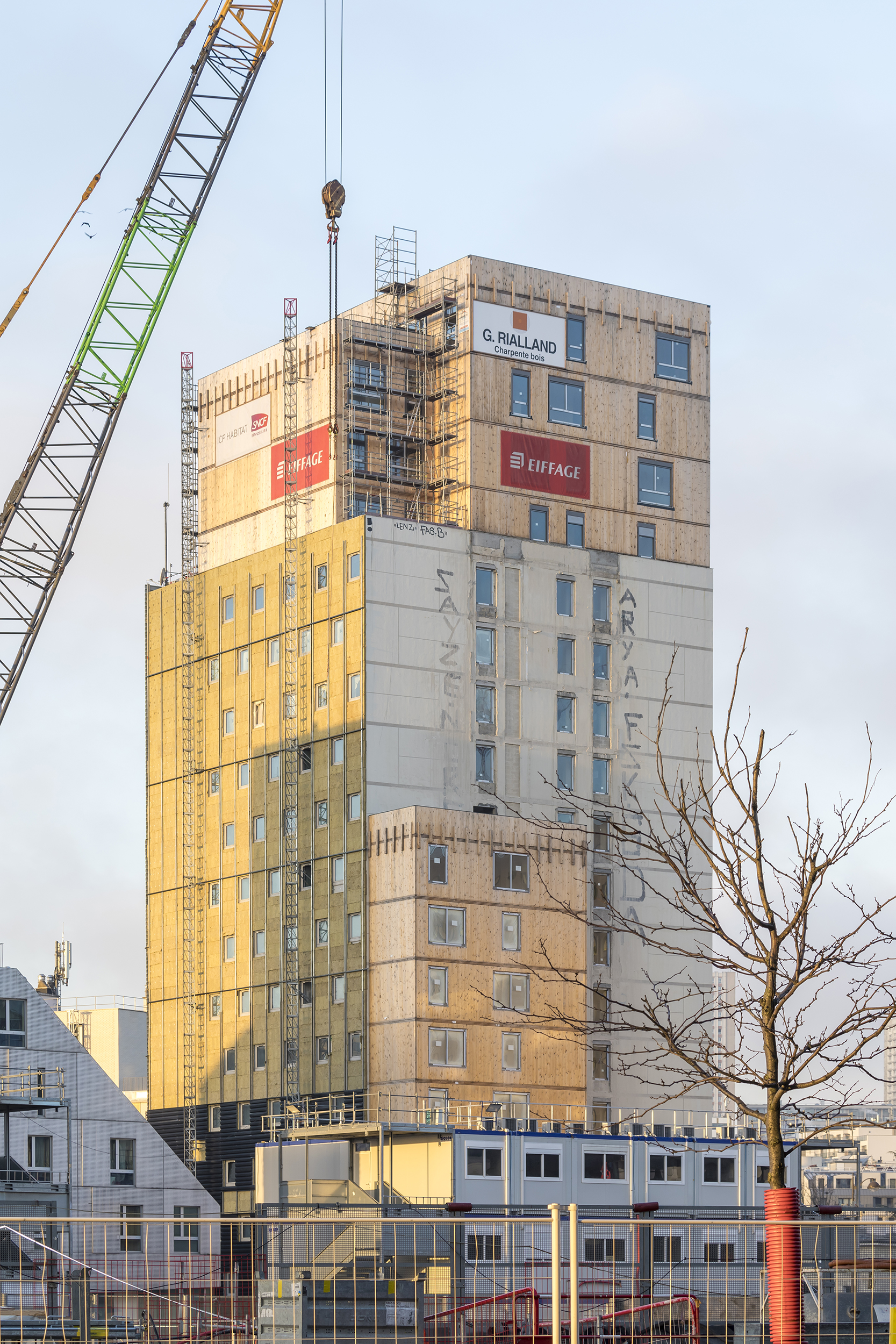
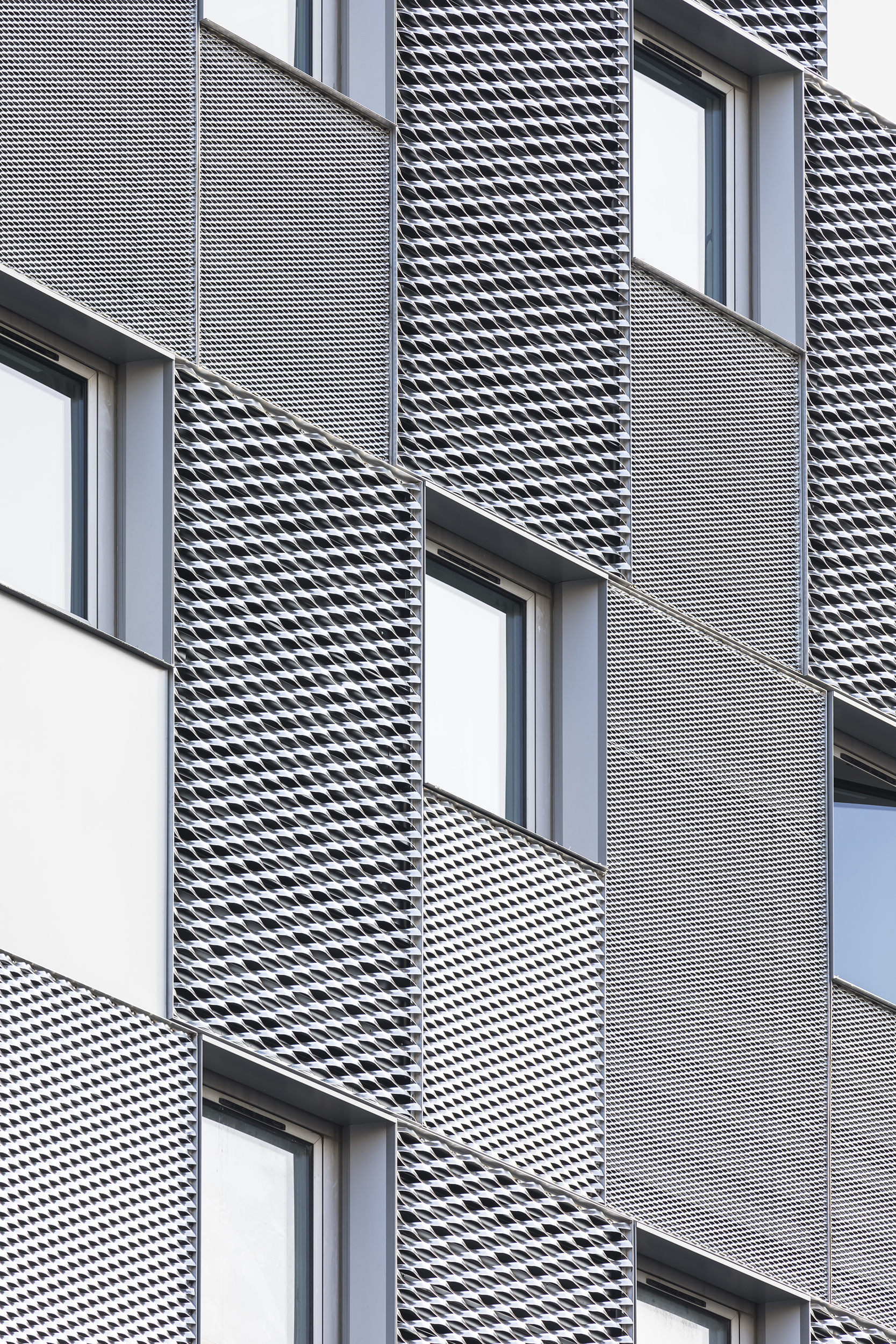
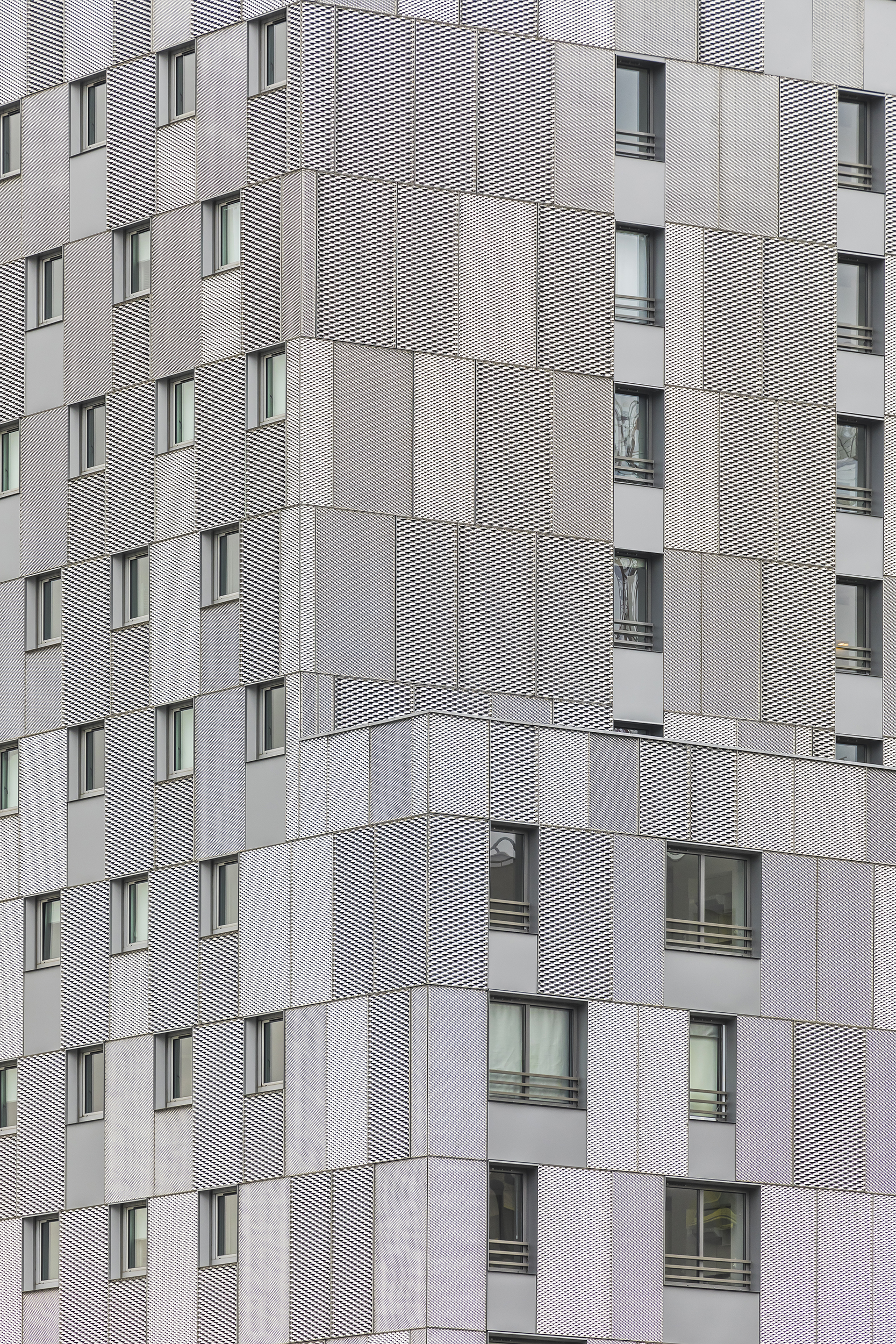
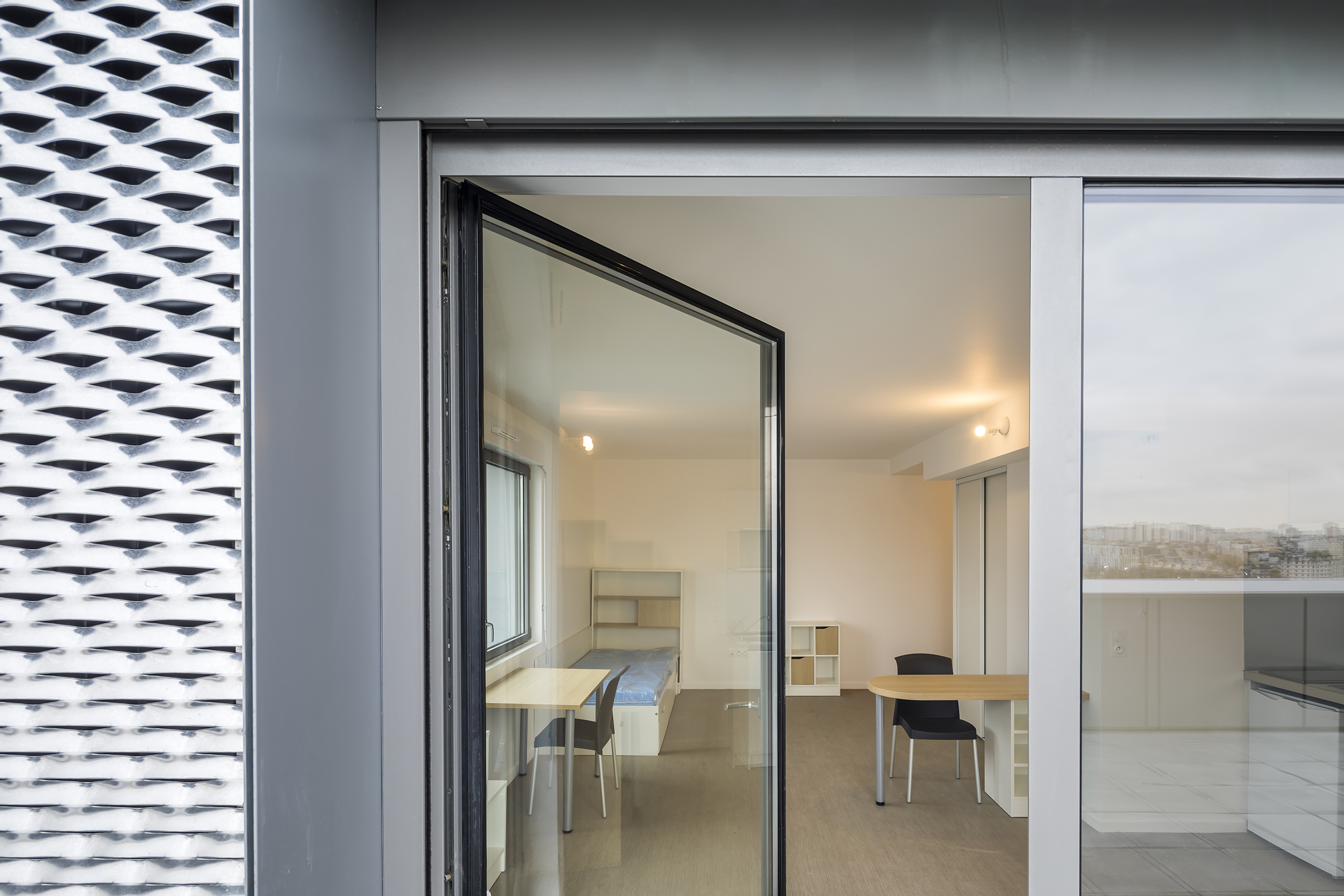
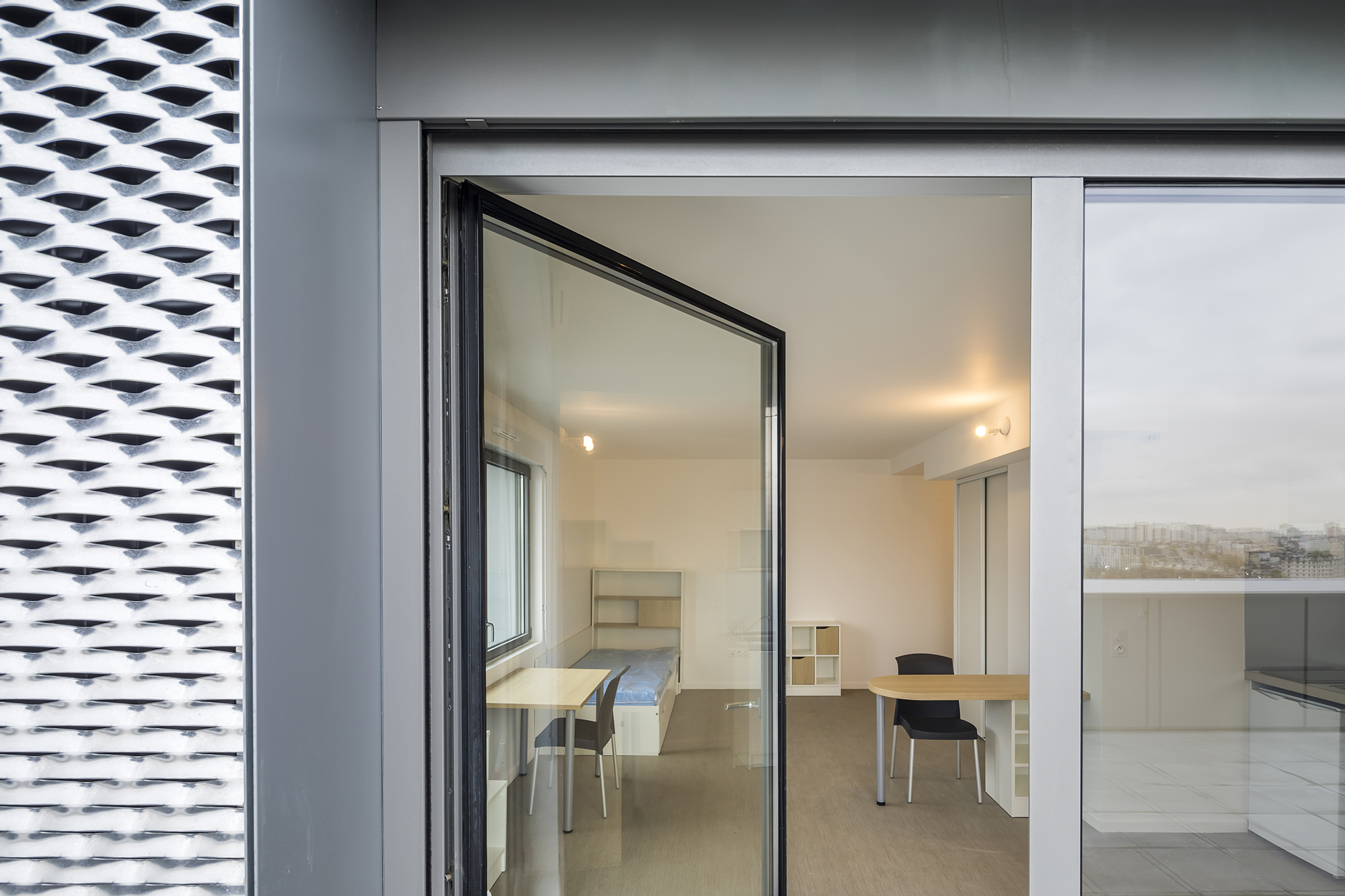
A mineral plinth effect is created across the first three levels to anchor the tower into the ground. The upper floors are clad in expanded metal panels, giving the impression of emerging from this mineral base. This metallic skin, with shifting reflections depending on the orientation of the panels, covers all four facades and unifies the tower’s upper body. The vertical extension of the top floors is constructed in timber and unfolds as a succession of cascading terraces, creating a play of stepped green decks. Beyond the lightness of the timber structure, its relatively simple implementation aligns perfectly with the pursuit of low-carbon, more environmentally friendly construction.
PMCR (BE) + AB Environnement (HQE)
Julien Hourcade (construction)
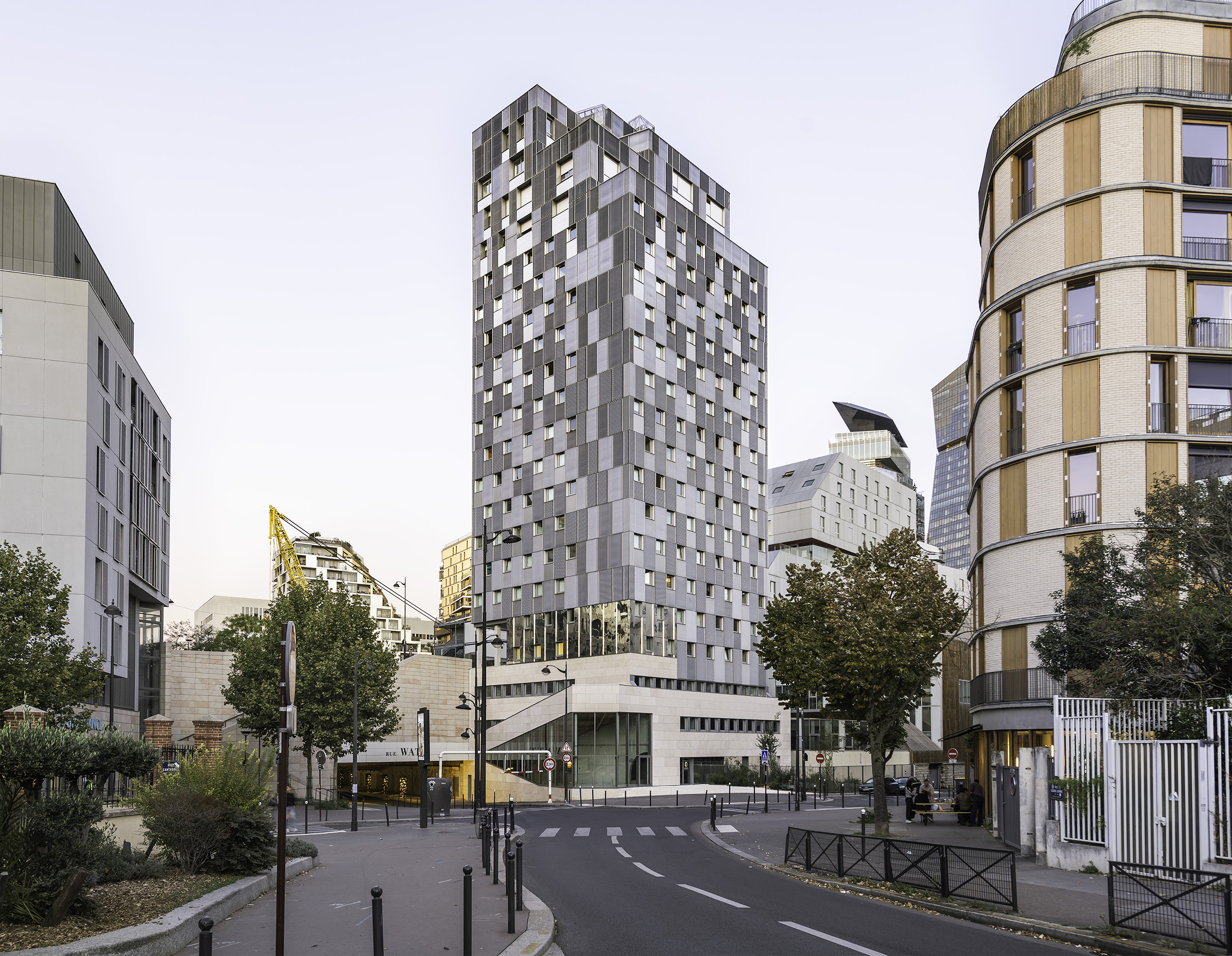
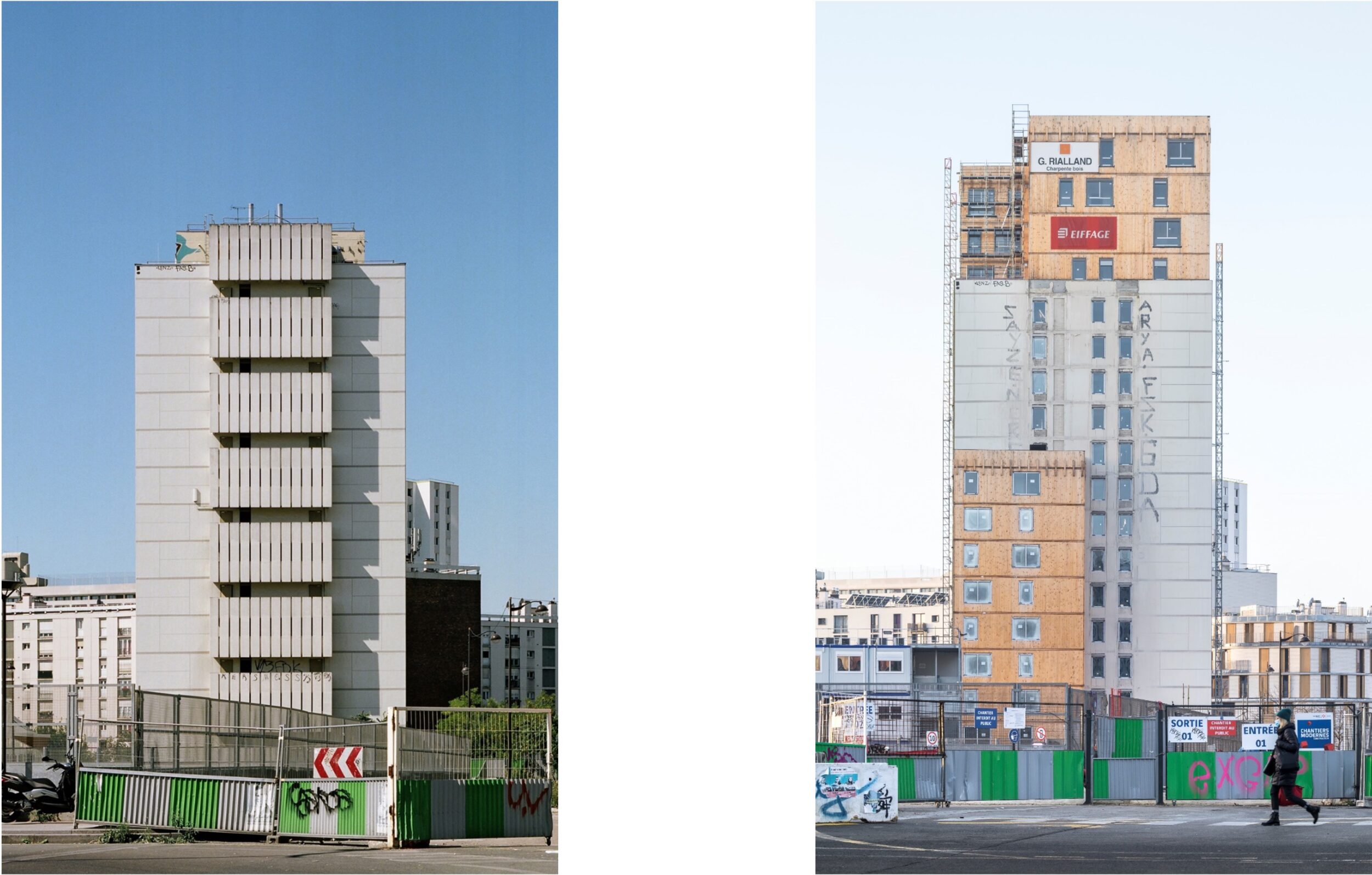
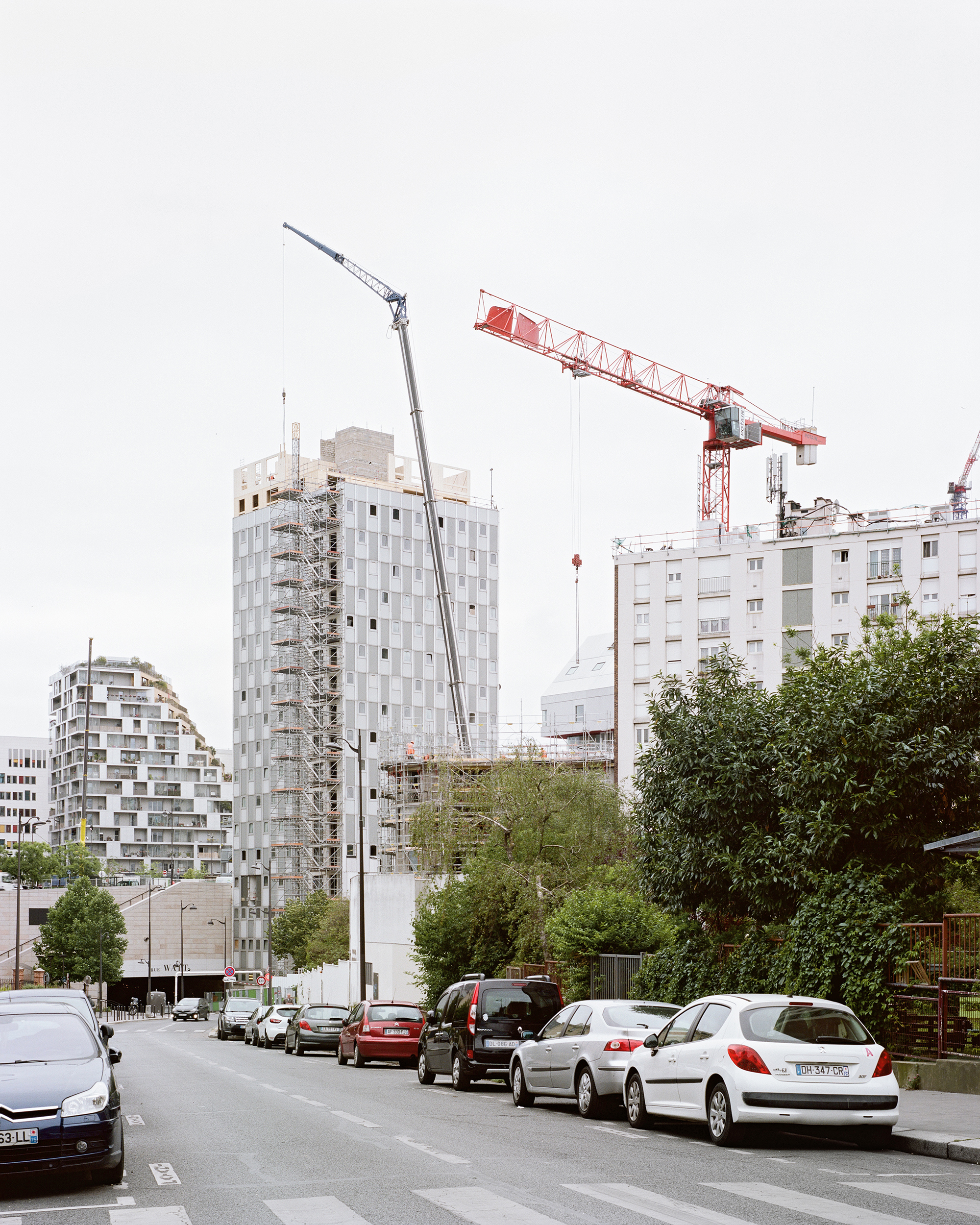

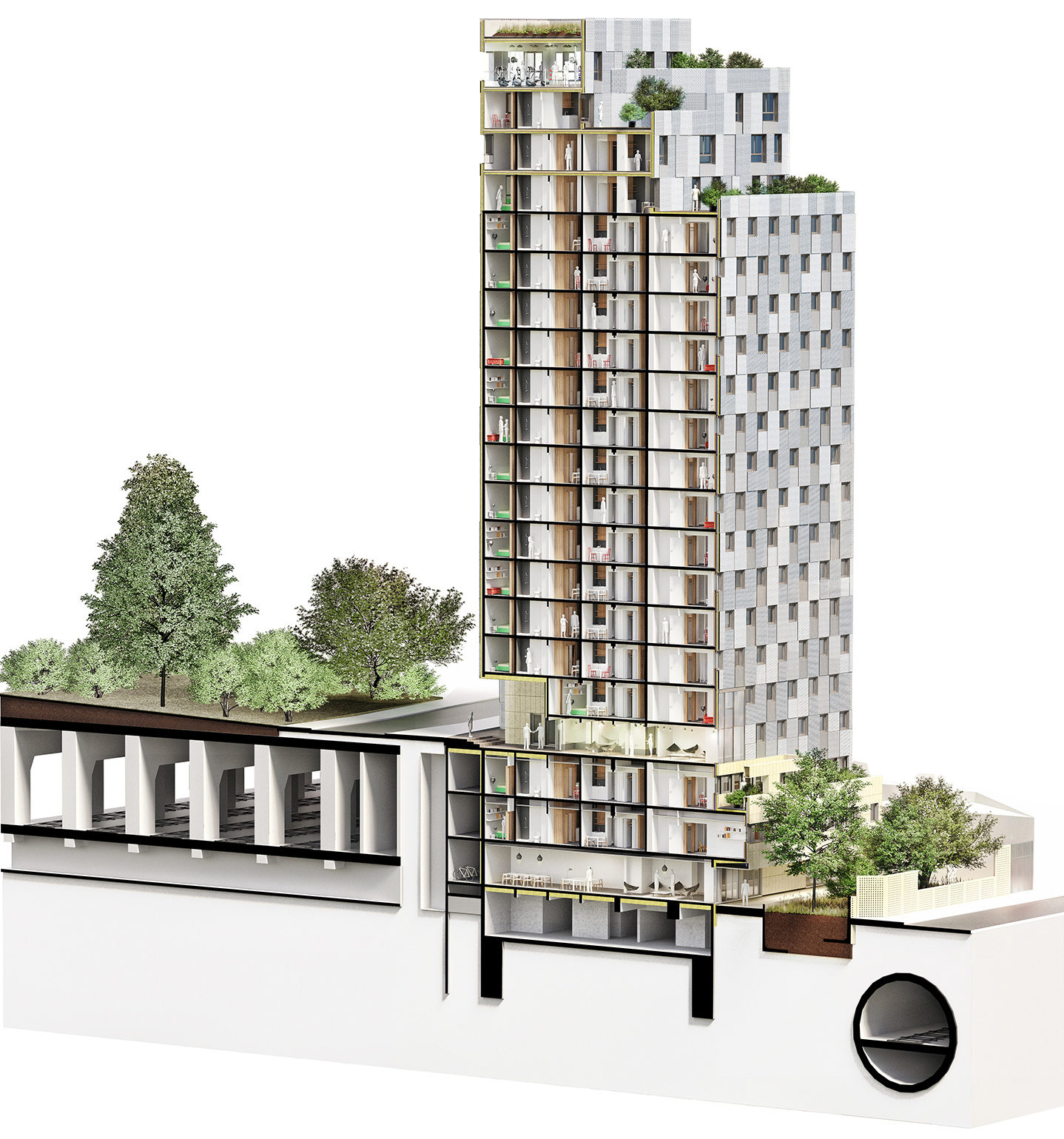
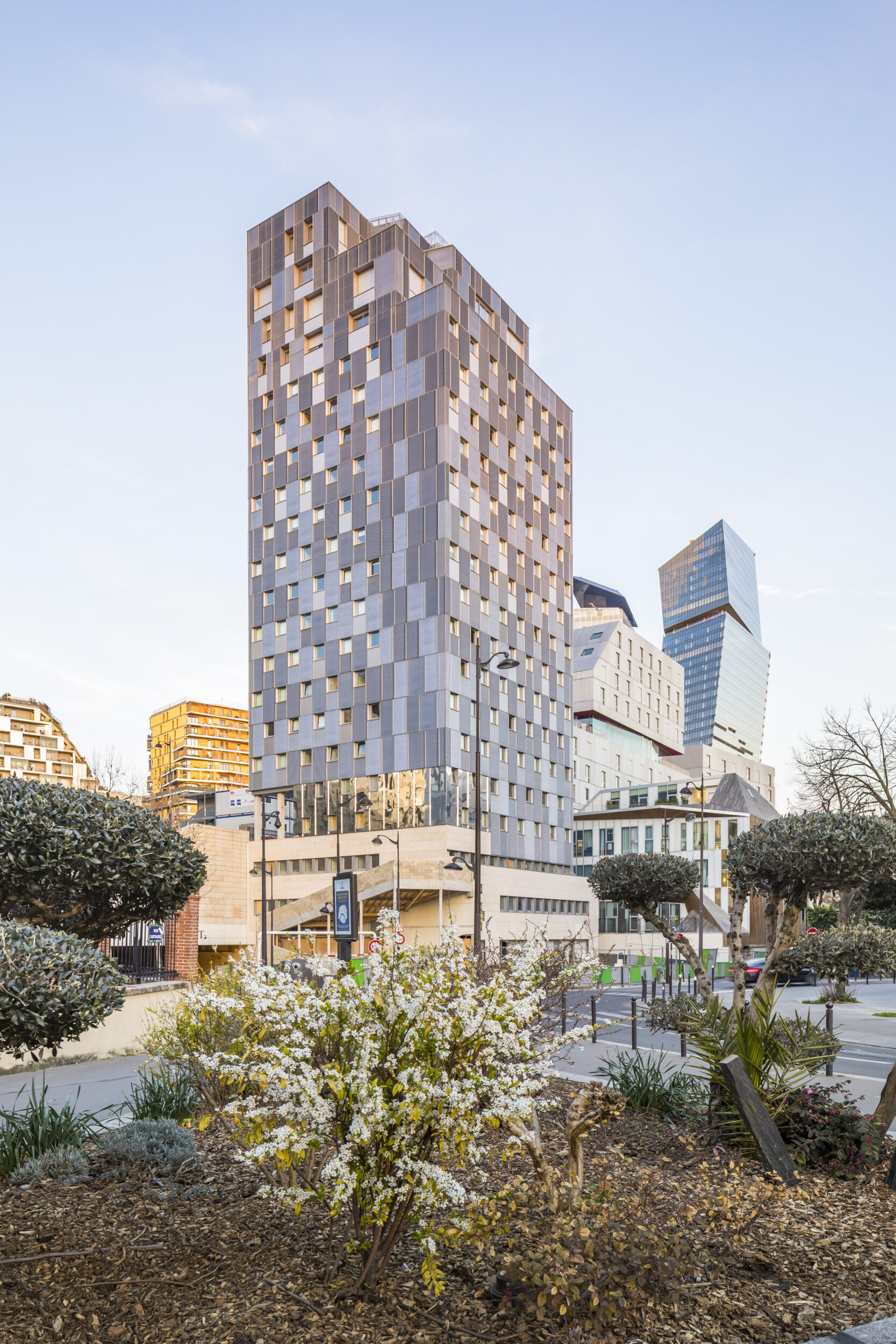
Leaning against the plinth covering the railway tracks, the Watt Tower stands as a pivotal hub and an urban connector between two eras, and between two city levels: the old and the new. It is rare for a tower—often an isolated object—to concentrate so many development challenges for the neighborhood in which it is embedded. Here, the project goes beyond the simple architectural transformation of the building to constitute a powerful signal of the neighborhood’s urban mutation.
A mineral plinth effect is created across the first three levels to anchor the tower into the ground. The upper floors are clad in expanded metal panels, giving the impression of emerging from this mineral base. This metallic skin, with shifting reflections depending on the orientation of the panels, covers all four facades and unifies the tower’s upper body. The vertical extension of the top floors is constructed in timber and unfolds as a succession of cascading terraces, creating a play of stepped green decks. Beyond the lightness of the timber structure, its relatively simple implementation aligns perfectly with the pursuit of low-carbon, more environmentally friendly construction.
PMCR (BE) + AB Environnement (HQE)
Julien Hourcade (construction)